Puma


Diagnosis
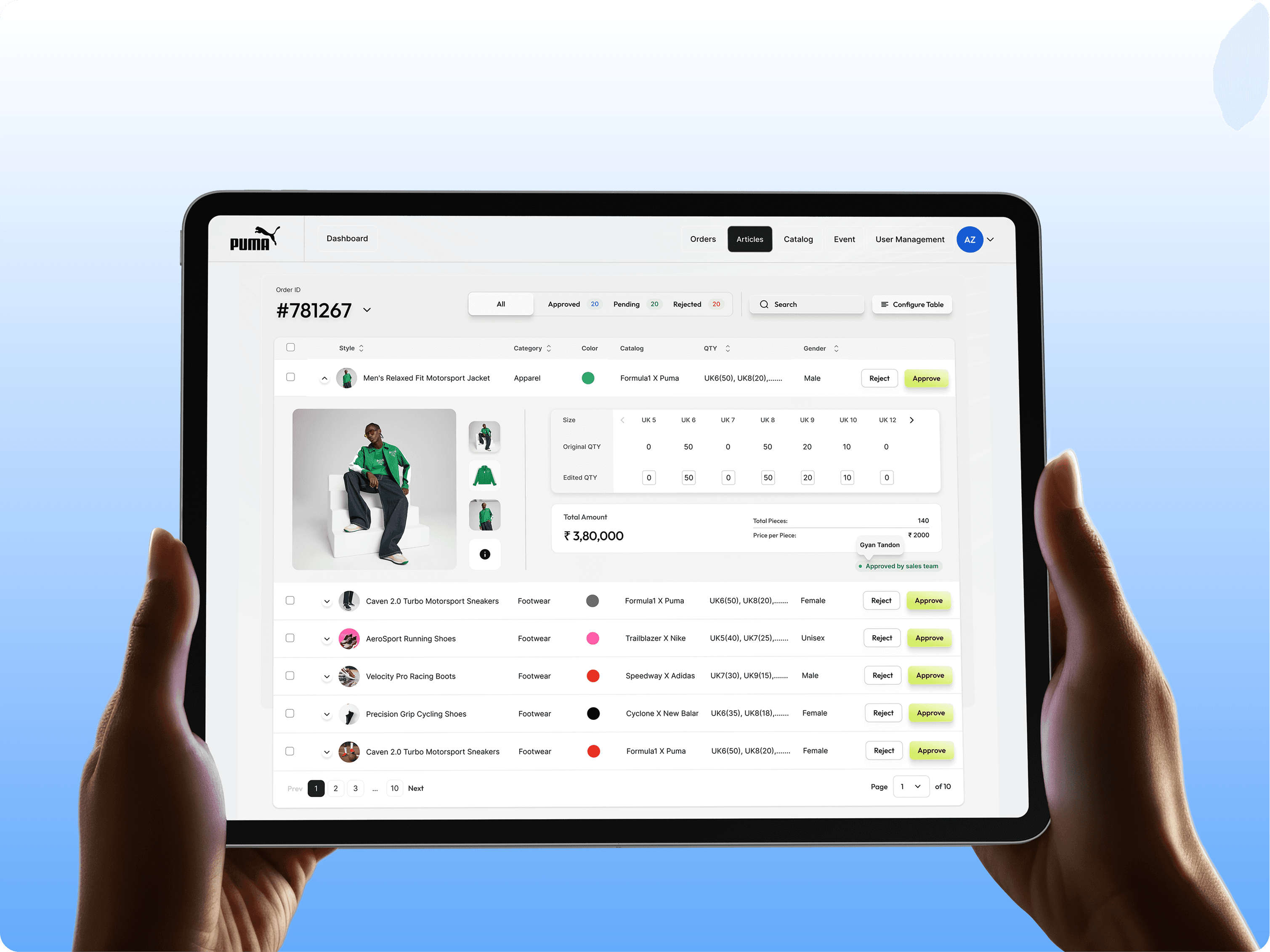
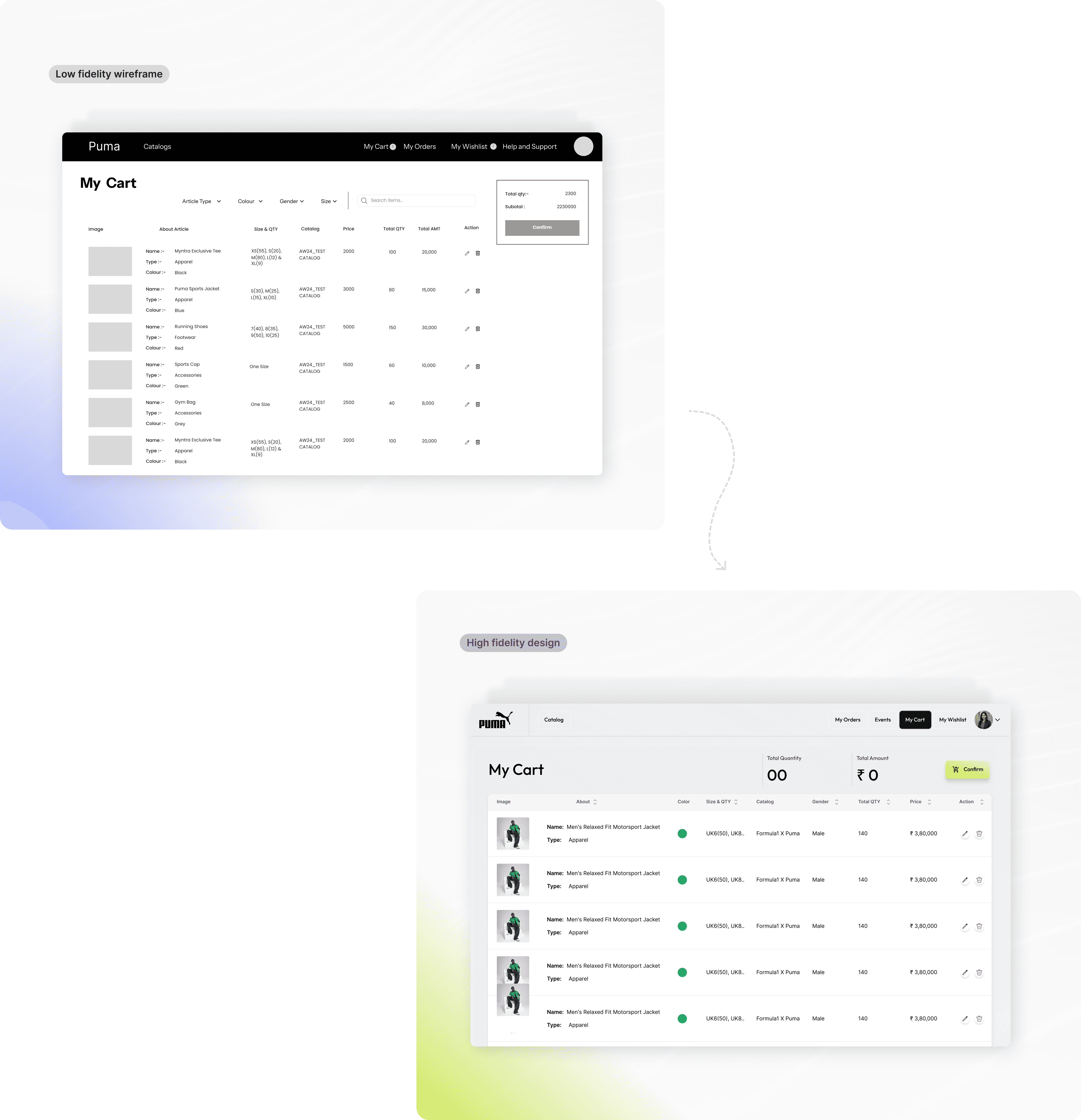
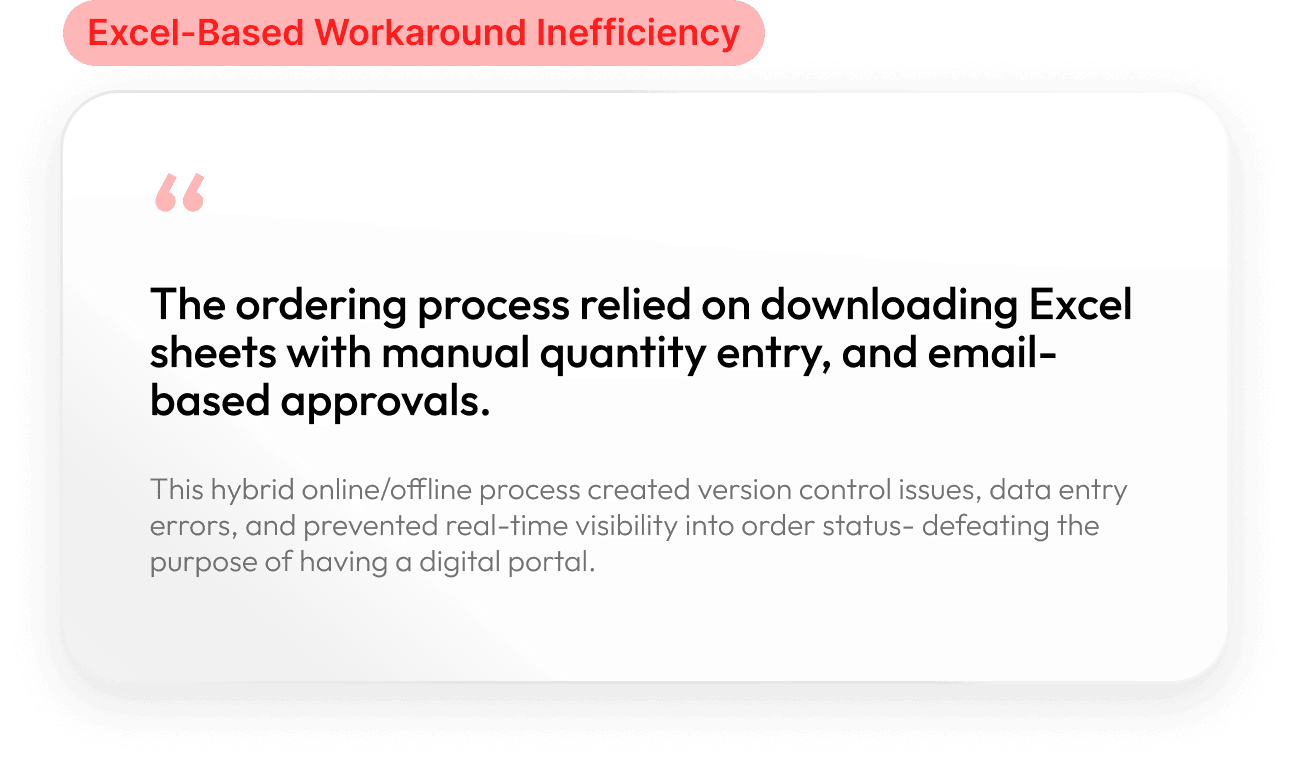
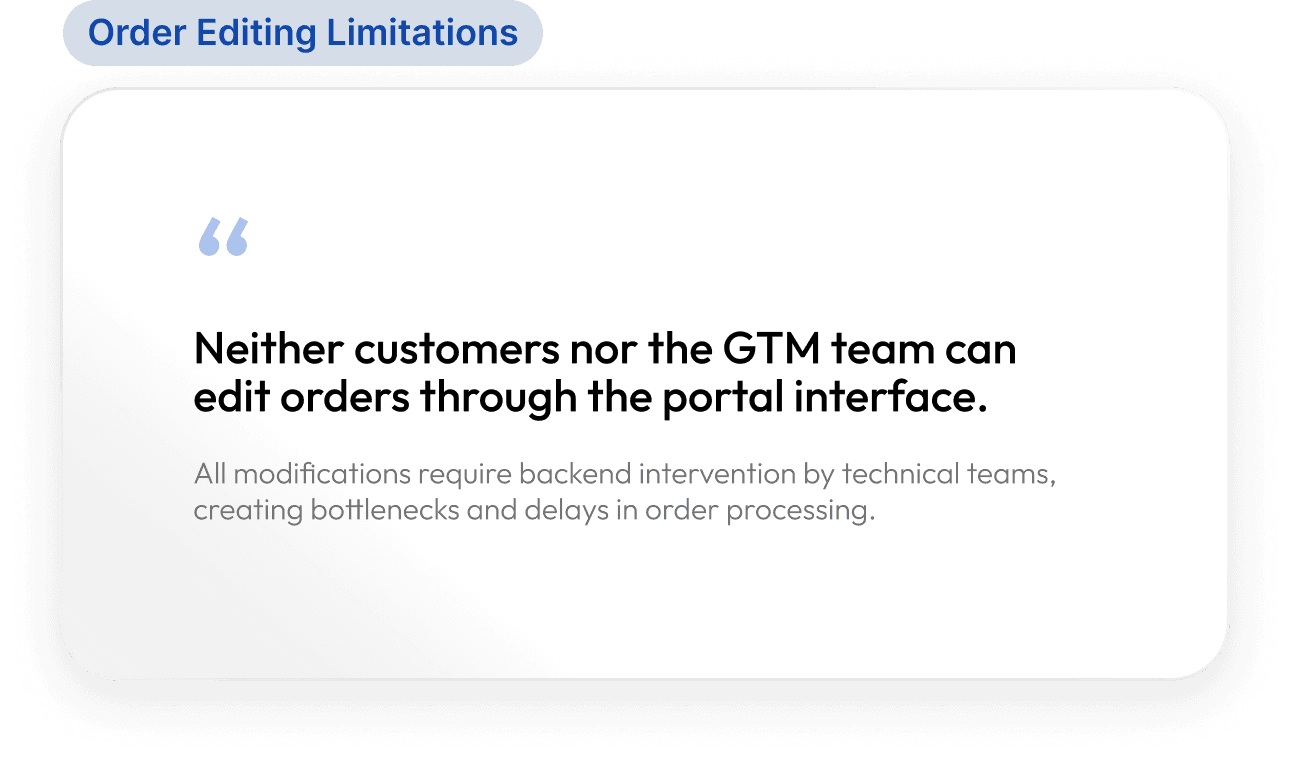
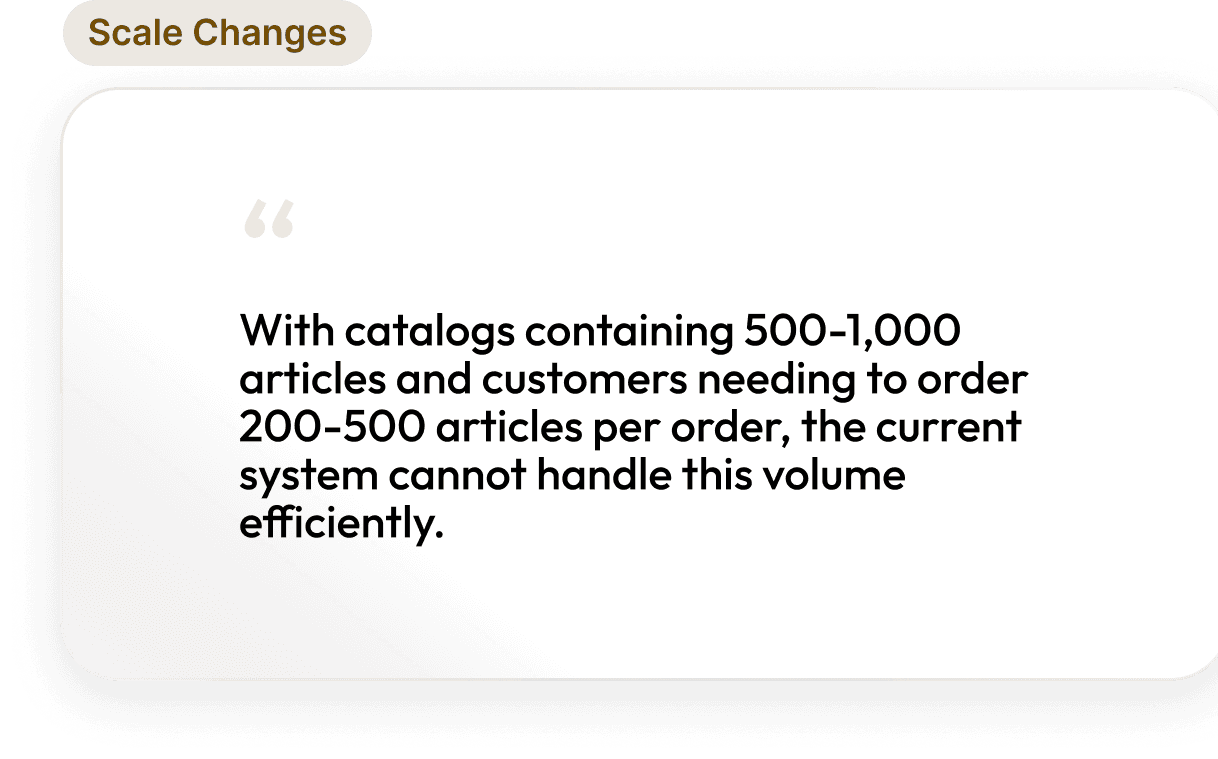
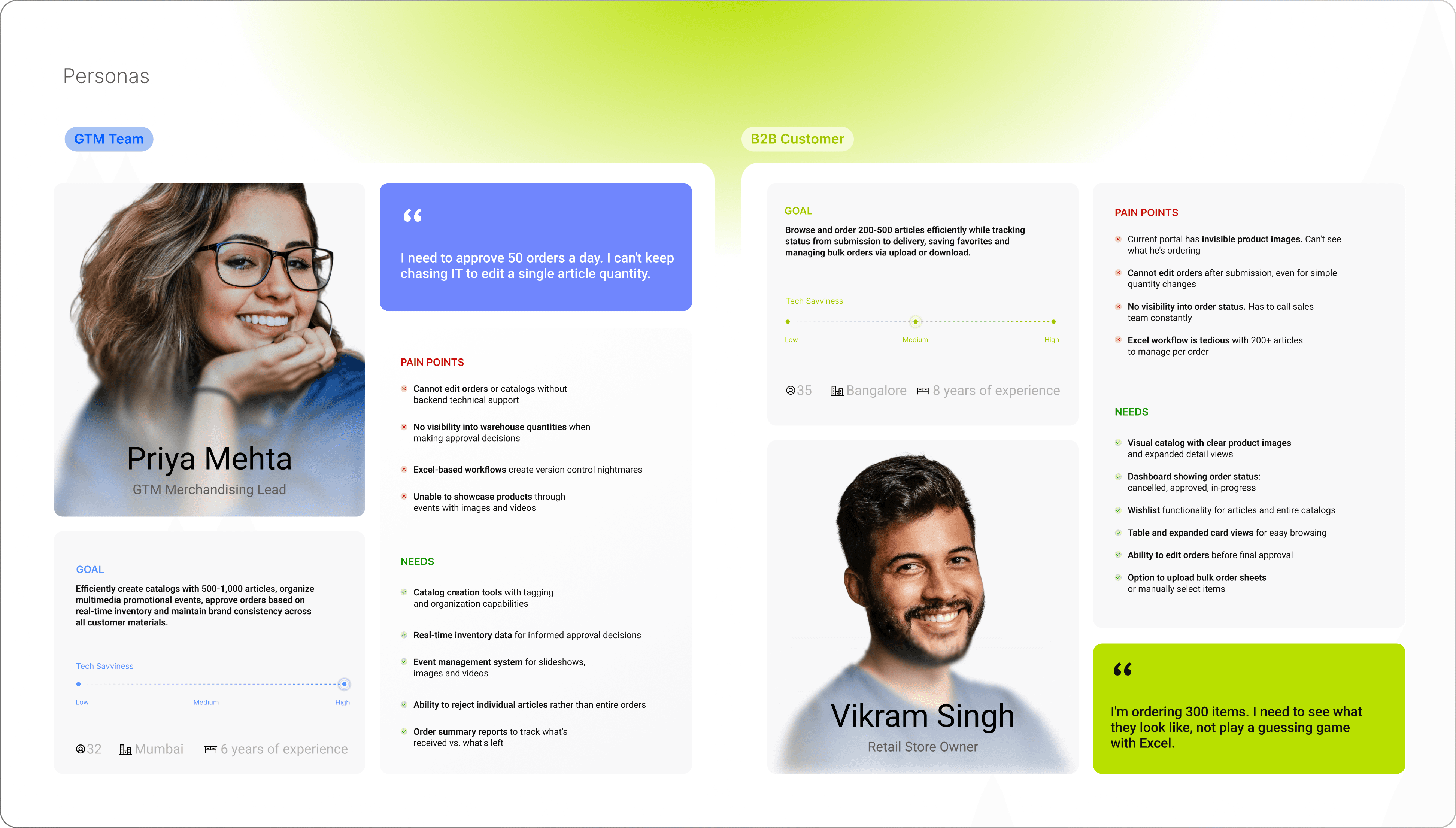
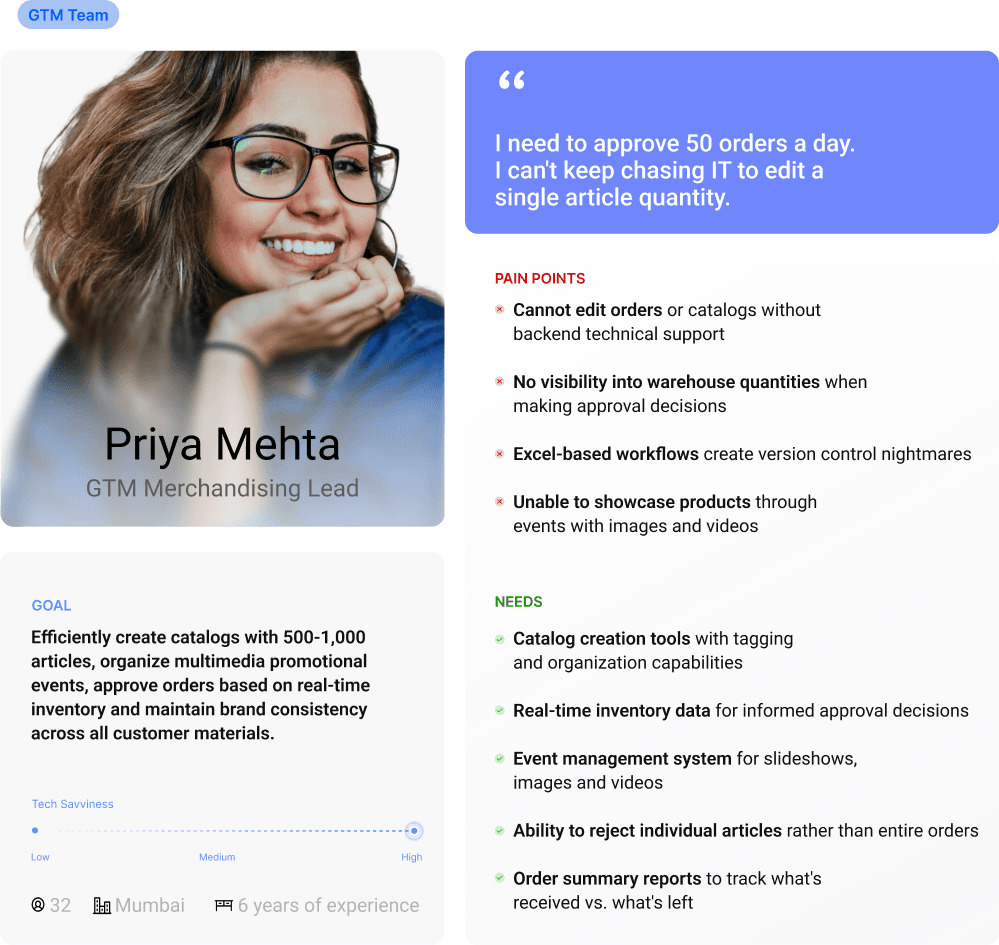
Puma's legacy portal relied on Excel sheets for 200-500 article orders, lacking images, editability and individual order support. Customers downloaded sheets, noted quantities offline and sales/GTM approved manually via backend hacks. Primary issues included no visible images, uneditable orders and mixed online/offline processes with one massive catalog (500-1000 articles).
Solution
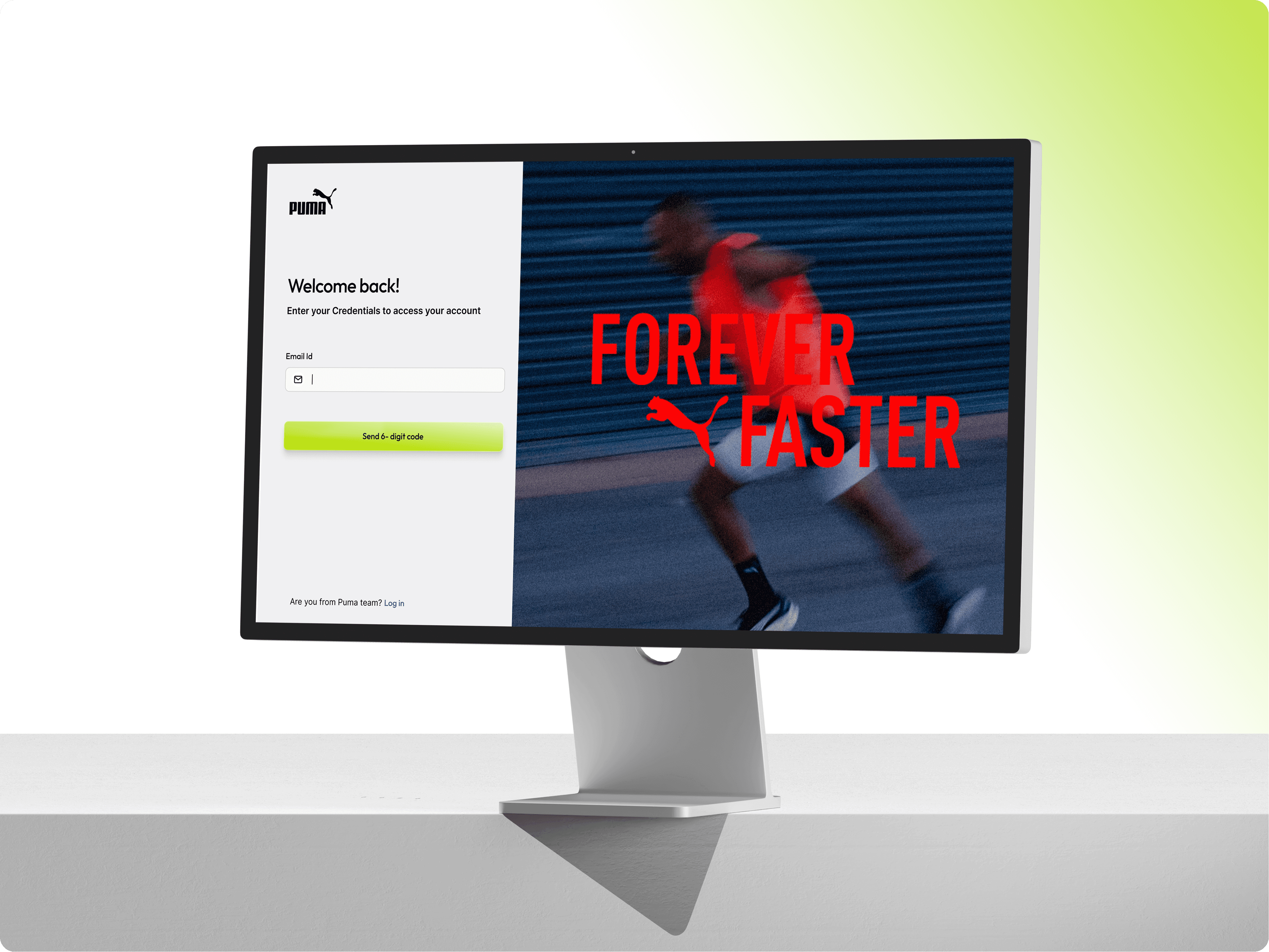
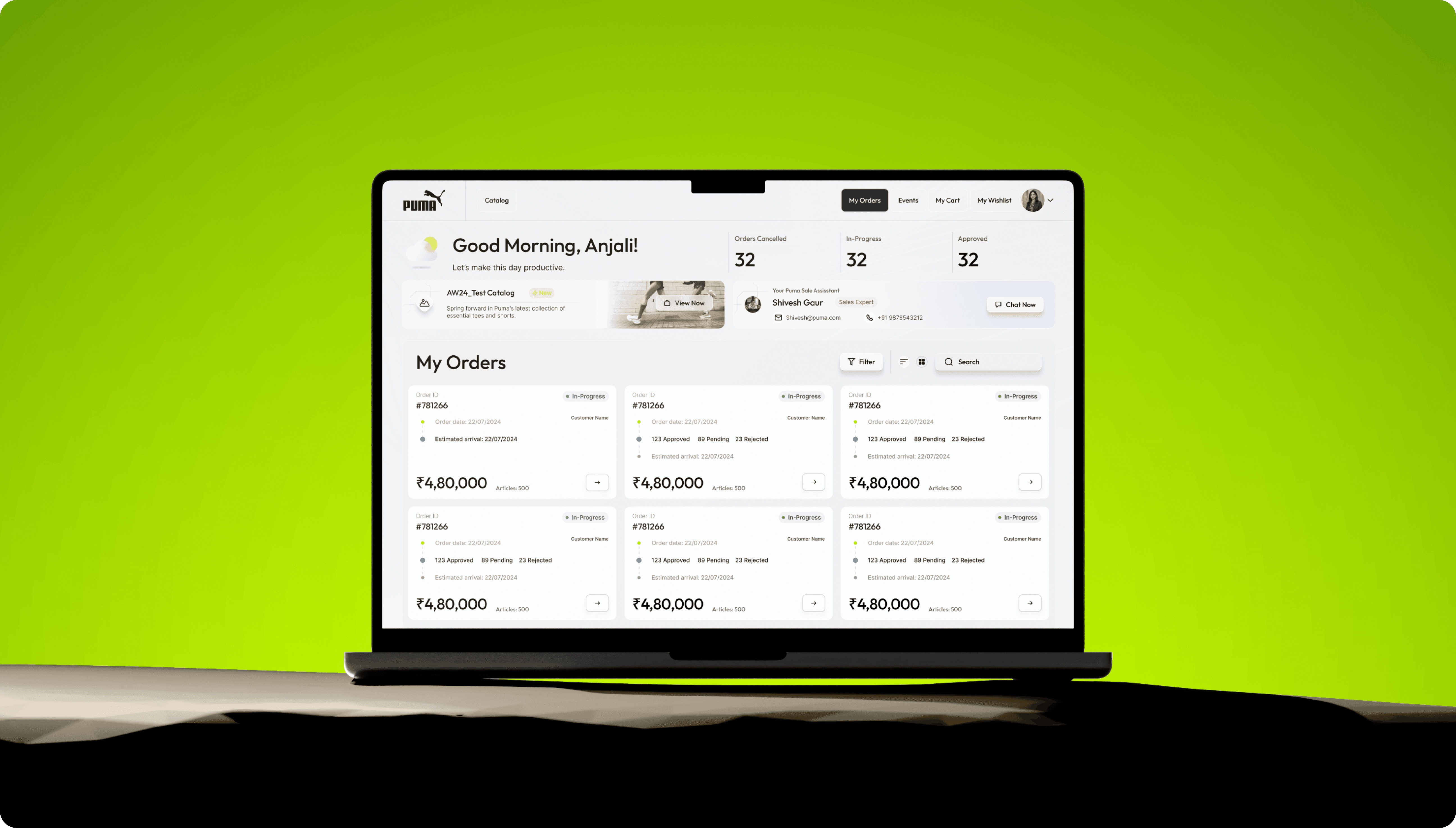
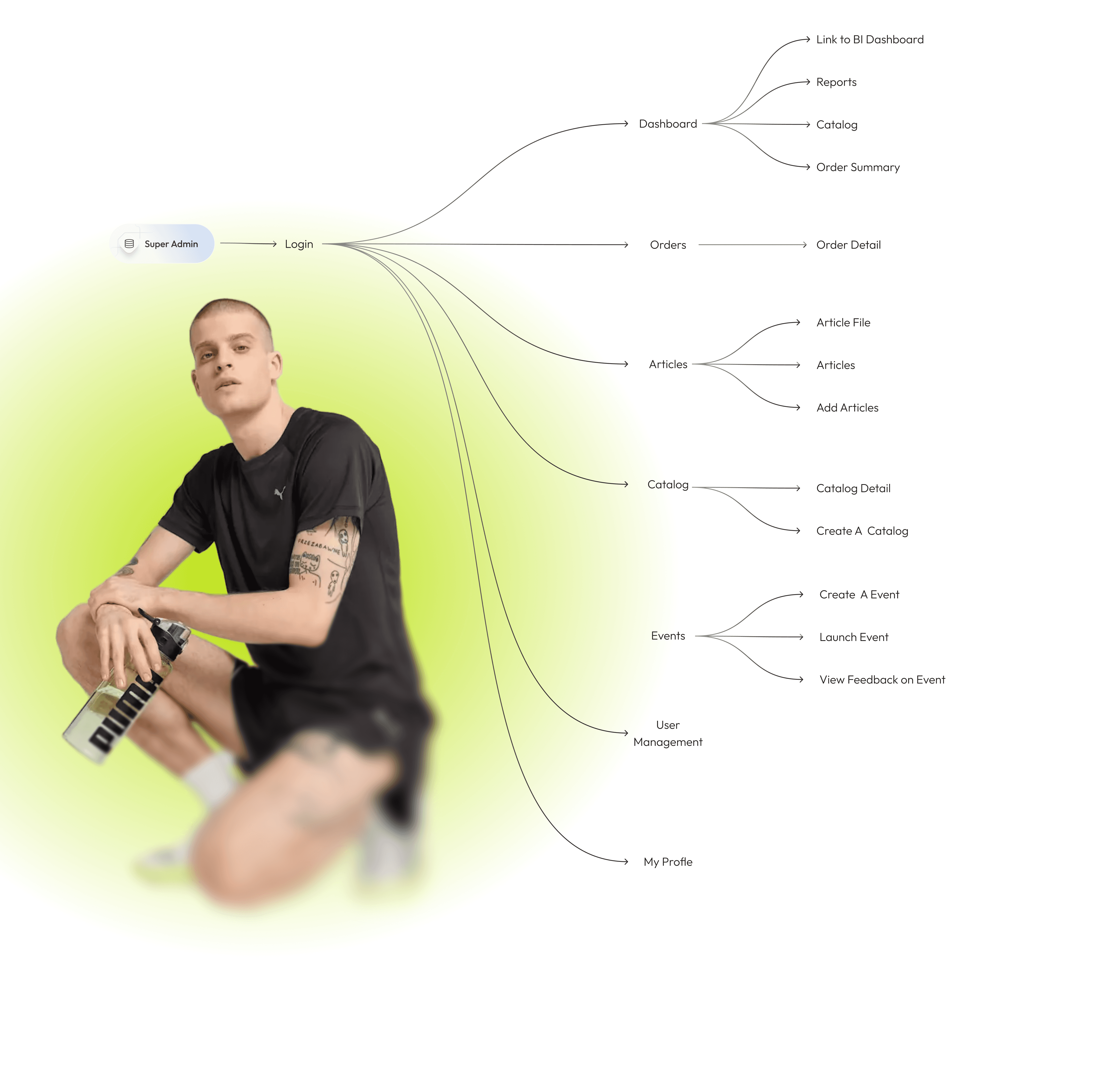
We designed a unified B2B ecosystem that transformed Puma's fragmented offline process into a seamless digital experience. The solution centered on three core user flows- GTM team, Sales team, and Customer portal. Each portal optimized for its specific workflow while maintaining consistency through Puma's design system.

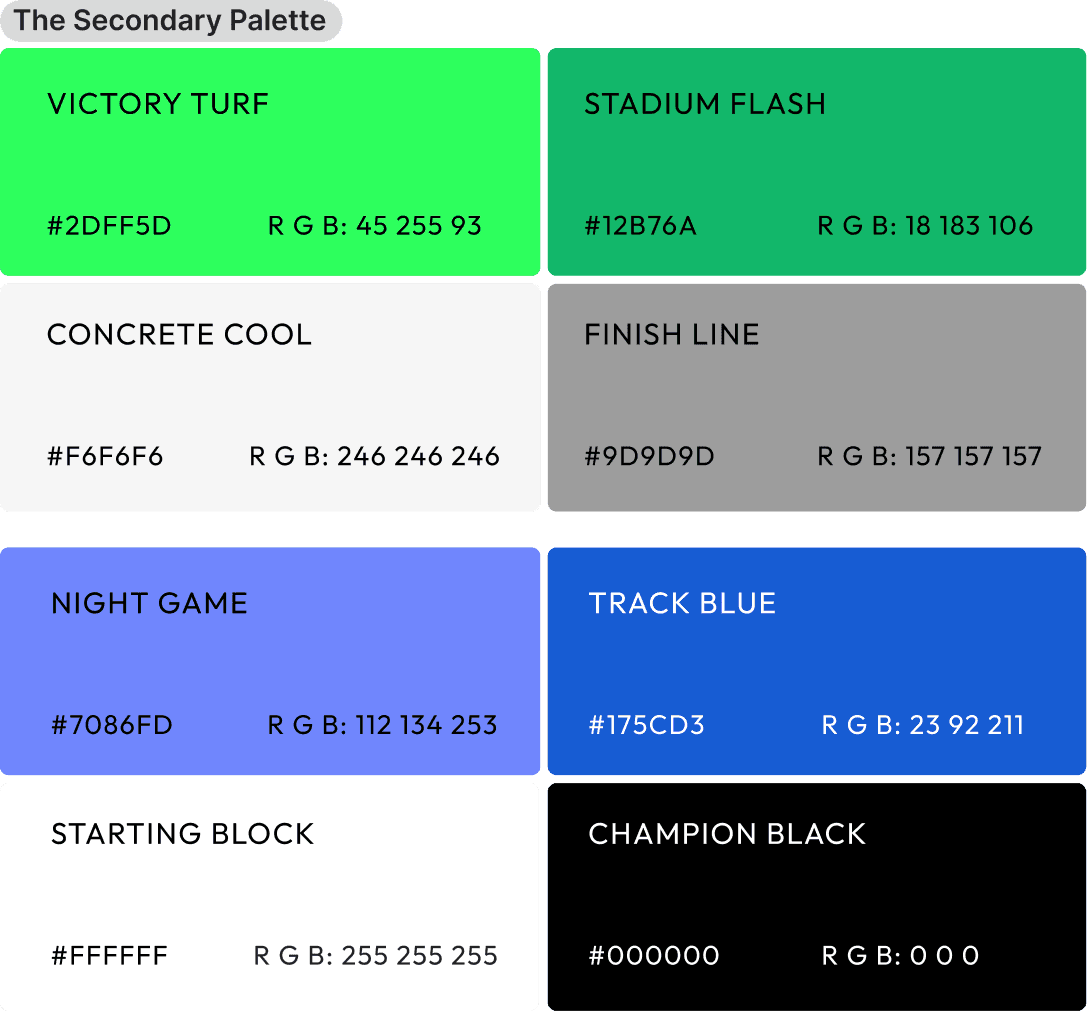


Typography and Hierarchy
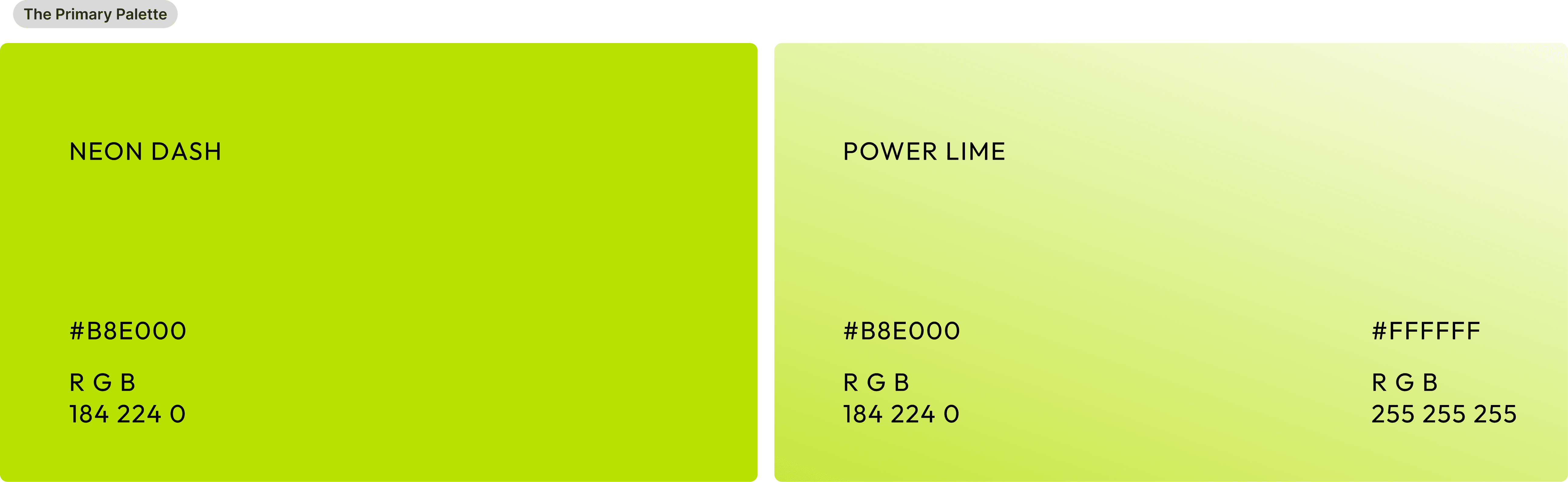
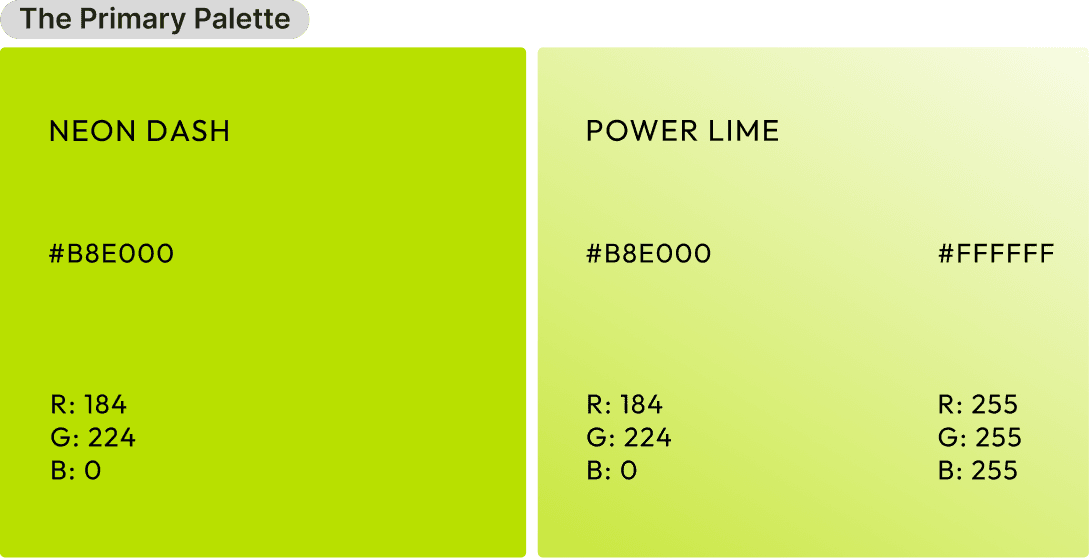
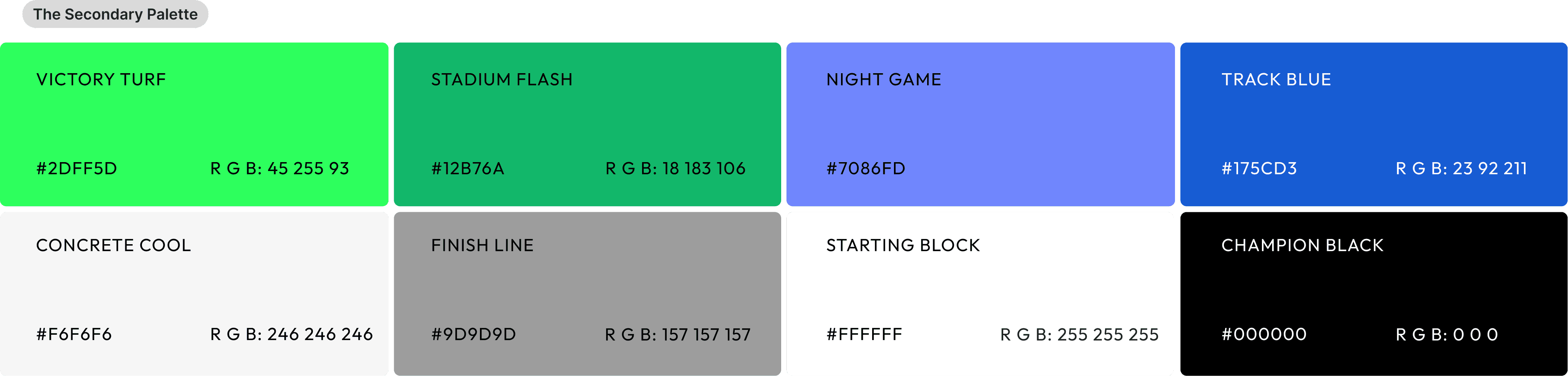
The typographic system prioritizes legibility across dense data tables, lengthy product catalogs, and complex multi-step workflows. Clear hierarchy guides users through approval processes, order management, and catalog creation with minimal cognitive load.
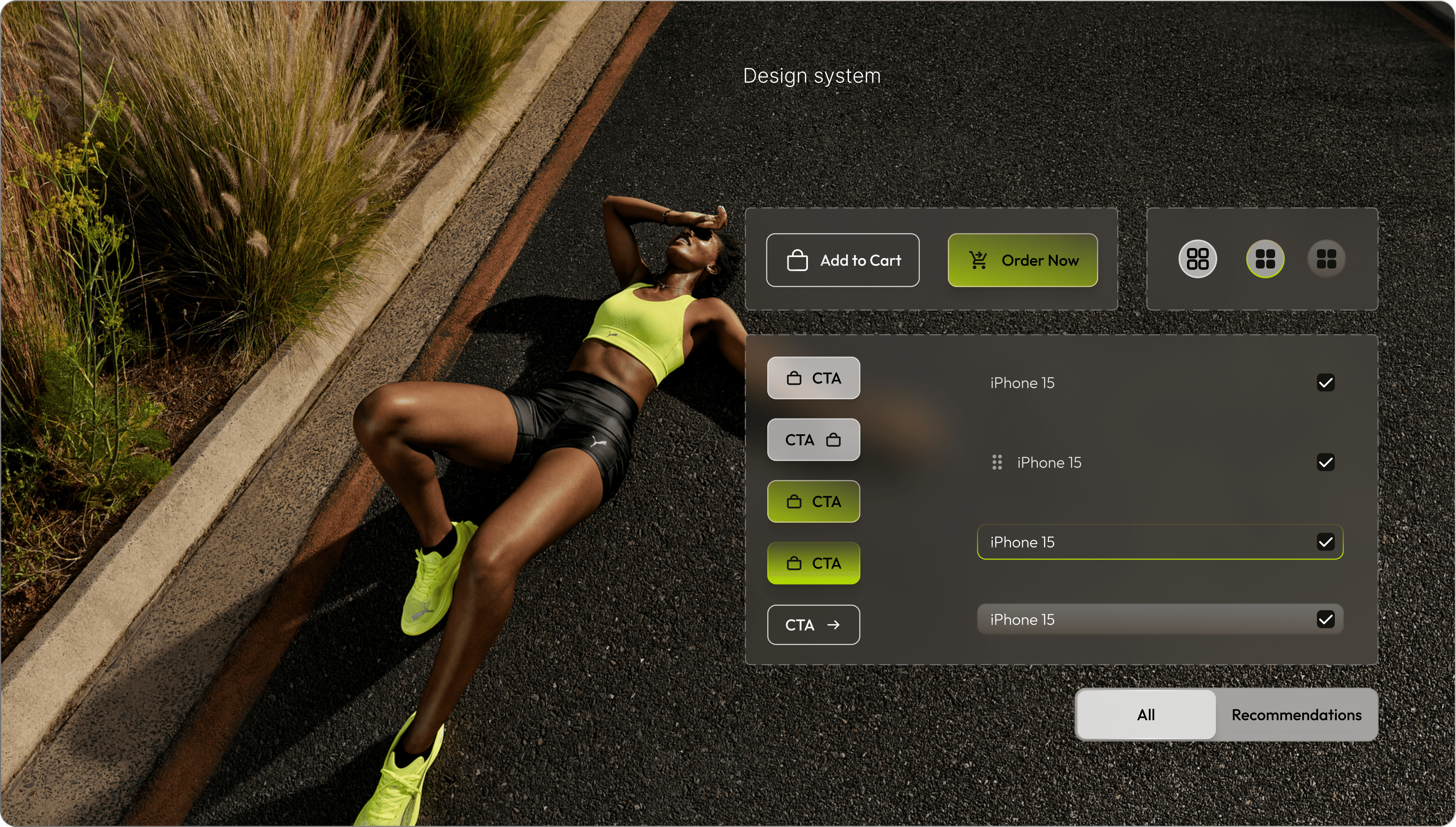
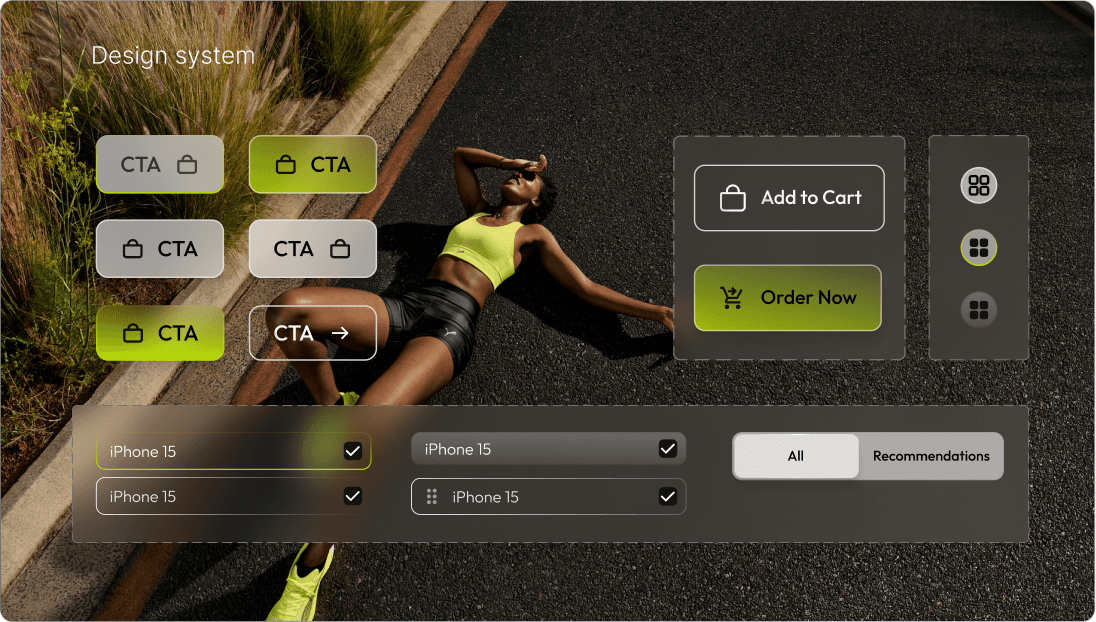
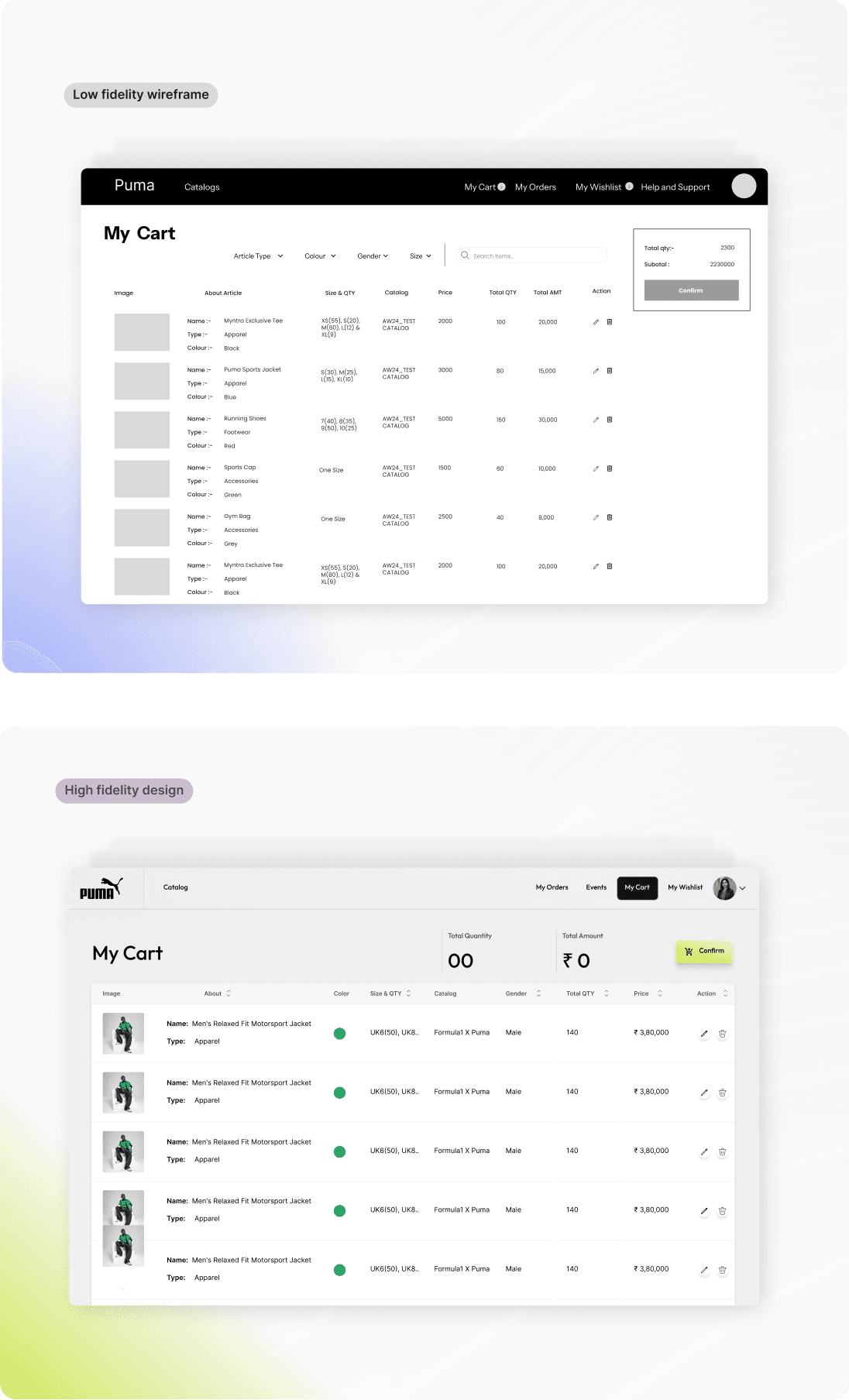
Component System
A comprehensive library of reusable components ensures consistency across Customer, GTM and Sales portals while accelerating development. Such as expandable tables with inline editing to breadcrumb trails for deep hierarchies.



Problem Statements





Impact and Learnings
The transformation eliminated Excel chaos and reduced order processing from days to hours, enabling customers to independently manage orders while GTM and Sales teams gained granular approval control with real-time inventory visibility.
The system now efficiently handles catalogs with 1,000+ articles and orders of 200-500 items per transaction, scaling seamlessly across teams and regions. Supporting hybrid workflows (digital + Excel upload) proved essential for adoption, while regular stakeholder collaboration ensured we addressed real workflows with individual article rejection becoming one of the most valued features despite initially seeming minor.